
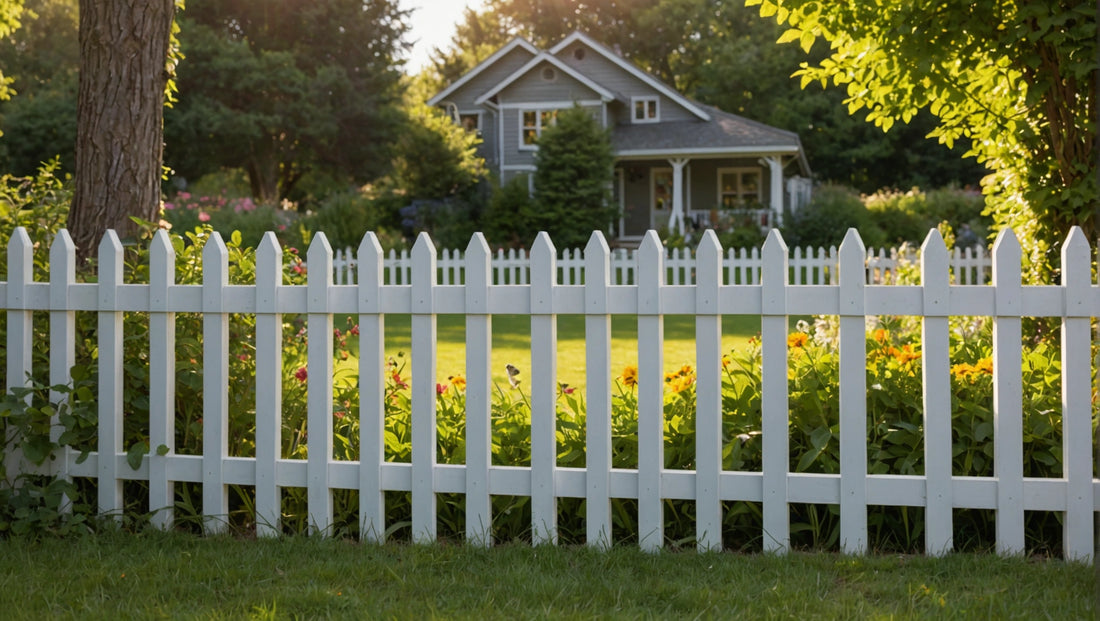
Every pet owner knows how important the safety of their small animals is. Especially for small pets such as rabbits, guinea pigs or even chickens, a good enclosure or a secure run is essential. This is where the small animal fence comes into play. These fences not only provide protection from external dangers, but also ensure that your animals stay where they belong.
A small-animal fence is more than just a physical barrier. It gives pet owners the assurance that their little friends are safe and well protected. In this article, we look at the various aspects of a small-animal fence, from materials and construction methods to safety considerations and maintenance tips.
Materials and construction methods for small‑animal fences
Various materials
When building or buying a small-animal fence, you can choose from a range of materials:
- Wire: Wire mesh is a common material that is robust and durable. It offers high security against predators and is available in various mesh sizes.
- Plastic: Plastic fences are lightweight and easy to handle. They are often cheaper than wire fences but may offer less protection against large predators.
- Wood: Wood is visually appealing and often preferred in natural settings. However, it requires more maintenance and can rot over time.
Advantages and disadvantages of the individual materials
Each material has its own advantages and disadvantages. Wire fences are robust and durable, but they can potentially be dangerous for small animals if the mesh is a bit too coarse. Vole mesh is an excellent solution for specific needs. Plastic fences are lightweight and often easy to install, but not always the safest option. Wood is visually appealing and flexible in design, but it requires regular maintenance and may lose stability over time.
Special features and designs
Some fences are specifically designed to meet special requirements. For example, raised fences offer extra protection against burrowing animals, and those with narrow mesh spacing prevent small animals from escaping or injuring themselves. Also pay attention to weather-resistant materials and constructions that are easy to clean.
Safety and protection
How small-animal fences protect small animals
A good small-animal fence protects your pets in several ways. It prevents them from escaping and at the same time offers protection from predators. Especially in rural areas, foxes, martens or birds of prey can pose a threat.
Preventing predator attacks
An important aspect of safety is protection from predators. Wire fences offer the best protection here, especially those with small mesh sizes and additional anchoring in the ground. Electrified fences can also provide an effective deterrent.
Preventing animals from escaping
To prevent your small pets from escaping, make sure the fence is high enough and has no gaps. Even small holes can lead to an escape. A secure locking mechanism is equally important, especially for rabbits, which are known for chewing their way through.
Buying guide
What to look out for when buying
When buying a small-animal fence, there are several factors to consider. The height and stability of the fence are crucial, as is the material. You should also think about how much space your animals need and whether the fence is easy to assemble and dismantle.
Differences depending on the animal species
The requirements for the fence vary depending on the animal species. For rodents and small mammals, fine mesh and low fences are sufficient. For chickens and other birds, higher fences and additional protective devices are necessary to keep predators away.
Cost‑benefit analysis
It is important to conduct a cost-benefit analysis before purchasing a small animal fence. A high-quality, durable fence may require a higher initial investment but offers more security and less maintenance in the long run. Cheaper options may be more prone to damage and may require more frequent repairs or replacements.
Do-it-yourself vs. professional installation
Advantages and disadvantages of self-installation
Installing a small-animal fence yourself can be cost-effective and flexible. You can design the fence exactly according to your needs and adapt it to your surroundings. However, this requires manual skills and time. A fence that is not installed properly may not provide the necessary protection.
When it makes sense to hire a professional
In some cases, it may be advisable to hire a professional. Especially for large enclosures or special requirements, such as protection against particularly aggressive predators, a specialist may be better suited to install a secure and durable solution.
Important care instructions
Regular inspection of the fence
A small-animal fence should be checked regularly for damage and wear. Look out for loose parts, rust, or rotting wooden sections. Regular maintenance extends the life of the fence and ensures optimal protection over time.
Signs of wear and when action is needed
Signs of wear include loose connections, rusty spots or parts that are excessively worn. Bent or broken wires are also a sign that action is needed. Insect screens can help keep smaller intruders out. Replace damaged parts immediately to ensure the safety of your animals.
Tips for long service life
To extend the service life of your small animal fence, opt for weather-resistant materials and protect the fence from extreme weather conditions. Regular cleaning and maintenance also help to maximize its lifespan.
Practical examples and success stories
Short testimonials from satisfied pet owners
Many pet owners report positive experiences with small-animal fencing. Sabrina, a chicken keeper from Bavaria, explains that her new wire fence not only keeps her chickens safe, but has also reduced predator incidents to zero. “Since we installed the new fence, I feel much safer,” she says.
Positive experiences and lessons learned
Another testimonial comes from Peter, a guinea pig owner from Berlin. He builds his fences himself and has found that proper anchoring in the ground is essential. “In the past I just set the fences on top of the ground, but now I dig them a few centimeters into the soil to ensure extra stability,” he explains.
Final thoughts
A small‑animal fence is a worthwhile investment in the safety and well‑being of your little animals. Whether you opt for a DIY solution or professional installation, the benefits are clear: protection from predators, control over their roaming area, and the reassurance that your animals are safe. Remember to choose high‑quality materials and ensure regular maintenance so you can benefit from your small‑animal fence in the long term.
A small-animal fence is more than just a protective measure; it is an expression of care and responsibility towards your little companions. Think carefully about which solution best suits you and your pets, and put it into practice. Your animals will thank you for it.