
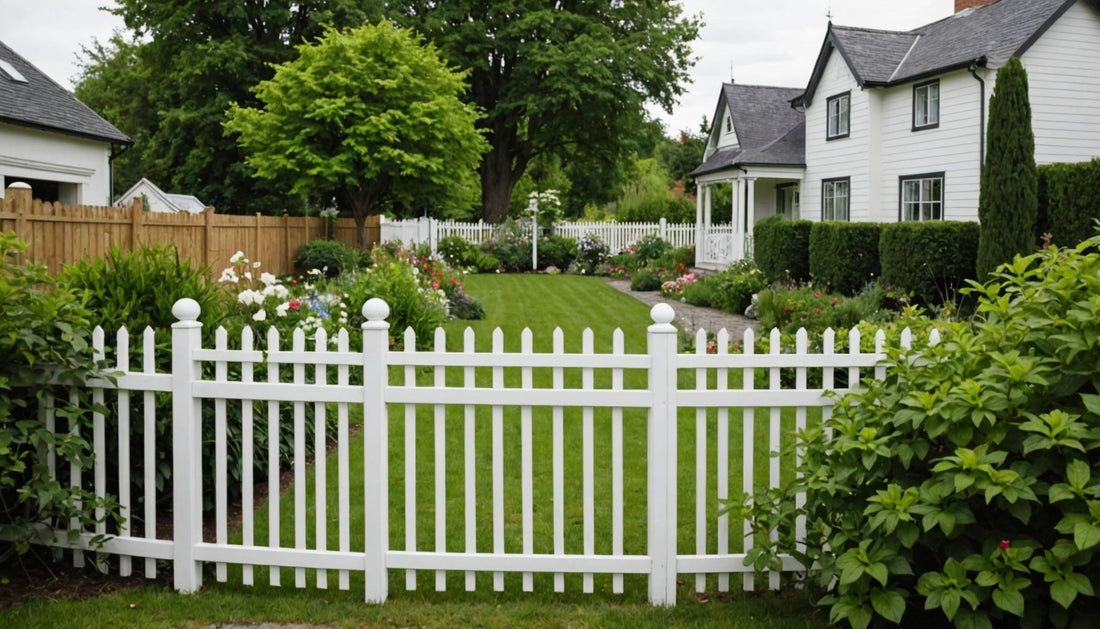
A small garden fence may seem insignificant at first glance, but it fulfils a wide range of functions. It not only clearly demarcates your property, but with the right choice of material – such as stainless steel wire mesh – it can also provide aesthetic added value. In addition, a fence serves as a security measure to keep unwanted intruders out. And if you want to create a cosy, intimate outdoor area, a small fence is also the right choice.
Robust and durable materials that are both functional and visually appealing are particularly popular. An excellent choice in this area is stainless steel welded mesh, which impresses with its stability and corrosion resistance.
Especially in smaller gardens, on patios or balconies, low fences offer practical and visually appealing solutions without dominating the natural surroundings. Let’s therefore explore various materials and styles that could be a perfect fit for your outdoor space.
2. Materials for small garden fences: advantages and disadvantages
Metal fences
For example, aluminum, wrought iron or steel fences impress with their durability and weather resistance. They are a perfect match for modern designs and require less maintenance than other materials. Metal also often offers more elegant lines and can be powder-coated in many colors.
A key advantage of metal fences is their robustness. A well-maintained metal fence can last for decades without losing its structural integrity. This makes it an ideal choice for anyone looking for a long-term investment.
Wooden fences
For a natural look, nothing beats traditional wooden fences. They are adaptable, as they can be cut to different heights and shapes. However, they require regular maintenance, such as painting or impregnation, to protect them from the elements.
Wooden fences offer not only aesthetics but also versatility. They can be customized to achieve any desired height or width, making them perfect for tailored solutions. The natural feel that wood brings to a garden is often unmatched by other materials.
Plastic fences
Plastic fences are easy to maintain and weather-resistant. Since they do not rust or rot, they have a long lifespan. However, their lower environmental friendliness can be a disadvantage, and their appearance may seem less natural.
Another advantage of plastic fences is that they are available in a wide variety of colours and styles that imitate traditional materials. This makes it possible to achieve the look of a wooden fence without the associated maintenance.
Gabions and stone fences
Gabion fences offer a modern look and at the same time noise protection. However, they require sufficient space due to their width. Combining stones with plants can create a fascinating visual feature.
If you want your surroundings to blend seamlessly with nature, gabion fences are an excellent option. They allow you to use different types and sizes of stone to create a truly unique texture and a varied landscape design.
3. Style directions: which fence suits your garden?
- Classic fences: Ideal for traditional gardens with symmetry and structure. A classic fence complements flower-filled gardens and lends your outdoor space charm and elegance.
- Modern designs: Perfect for minimalist or contemporary outdoor spaces. Straight lines and smooth surfaces blend harmoniously into modern architecture.
- Romantic variants: Rustic fences, ideal for country gardens with natural charm. Willow fences and trellises provide space for climbing plants and wildflowers.
- Combinations: For example, metal with wood or gabions with climbing plants for a personal touch. Combinations allow you to unite the best of both worlds and create a distinctive aesthetic.
When choosing a fence style, it is important to consider the overall appearance of the house and the surrounding landscape. A well-chosen fence can define the space and preserve the design coherence of your garden.
4. Functionality vs. aesthetics: making the right choice
Whether you need privacy screening or prefer an open design depends both on your personal taste and your security needs. Another important aspect is the maintenance effort. Wood requires more attention than metal or plastic. For environmentally conscious gardeners, sustainable alternatives may be worth considering, such as products made from recycled materials.
Markus remembered how he built his first wooden fence himself. He enjoyed the hands-on challenge, but soon realised how much maintenance the wood required. After a year, he opted for metal. It was a perfect fit and required minimal upkeep.
A well-thought-out fence not only provides protection and privacy but also complements the aesthetics of your garden. Consider how the fence enhances and unifies the space, and whether it creates an effective boundary while still highlighting the beauty of the surroundings.
5. Installation and maintenance: What you need to consider
Installation options
Consider whether you want to install the garden fence yourself or hire a professional. Professional installation can simplify complex designs and minimize errors.
DIY enthusiasts may enjoy installing their own fence, while others prefer the safety and precision of professional installation. Keep in mind that professional services may come with a warranty or after-sales support.
Maintenance
The required maintenance varies depending on the material. While wooden fences require regular care, metal and plastic fences are almost maintenance‑free. Gabions, on the other hand, require hardly any maintenance, but over time they adapt to their surroundings as moss grows on them.
Regular inspections are essential for wooden fences to prevent rot. For metal fences, you should watch for rust, and for plastic fences, check for cracks or discoloration. These regular measures ensure that your fence looks good and functions properly for many years.
Legal regulations
Always observe the legal regulations and neighborhood law to avoid disagreements. Check with your local authority about the rules regarding fence height and design.
It is advisable to obtain permission from neighboring property owners before building a new fence in order to avoid lengthy disputes. In some municipalities, written approval may also be required, especially if the fence is located on public walkways or near roads.
6. Finding the perfect small garden fence
At the end of the day, your small garden fence should meet all your criteria, whether that’s privacy, a specific budget or a preferred style. Compare, weigh your options and choose the perfect solution. When looking for suitable products, browsing the online shop at metal-market.eu can provide valuable inspiration.
By making the right choices in terms of material, design and installation, your garden can become a true retreat that is both functional and aesthetically pleasing. Smart planning and taking budget, maintenance and personal style into account will help you choose a fence that not only meets your needs but also enhances the space.
Remember that a garden fence is more than just a boundary. It is an extension of your living space and can be used to create outdoor areas that invite relaxation and enjoyment. With the right elements, your garden can become a harmonious and welcoming part of your home.