
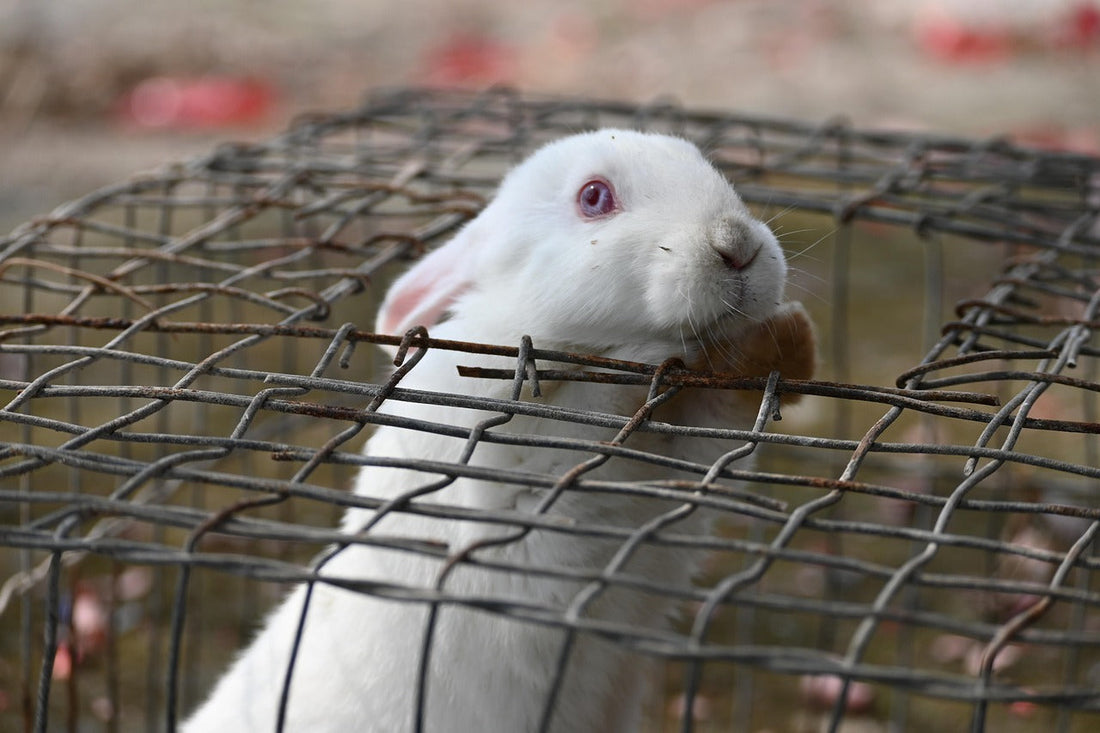
Protecting your garden or your small pets can be achieved efficiently with the right means. In this context, rabbit mesh is one of the most popular materials for building safe and durable enclosures. In this article, we take a detailed look at the materials and options that are essential for effective protection.
The right wire for protection: materials and options
When it comes to protective enclosures, there are many factors to consider. To guarantee safe and long-lasting protection, the choice of the right wire is crucial. A commonly used material is galvanized rabbit wire, which is characterized by its corrosion protection and is ideal for outdoor use. However, for even more durability, stainless steel is the best choice.
Choosing the right material
To make the right decision, it is worth taking a close look at the material properties. Galvanised steel does provide adequate corrosion protection, but stainless steel not only resists rust, it also withstands higher mechanical loads. This is especially important if the wire is to be used in areas with frequent moisture or severe weather conditions, for example for a small garden fence. You should also bear in mind that stainless steel can offer a smoother surface, making animals less inclined to gnaw on or damage the wire.
| Material | Vorteile | Nachteile |
|---|---|---|
| Galvanised steel | Inexpensive, hard-wearing | Lower durability, galvanisation may deteriorate over time |
| Edelstahl | Extremely durable, rust-free, high mechanical resistance | More expensive, harder to work with |
Finding the right mesh size
Another critical factor is the choice of mesh size. This plays a key role in how effective the protection is. The smaller the mesh size, the better the protection against smaller animals that might otherwise slip through. A small mesh size also helps keep out pests that are not immediately visible to the naked eye.
| Maschenweite | Security level | Recommended use |
|---|---|---|
| 10–20 mm | Sehr hoch | Effective protection against small predators and rodents such as rats |
| 30 mm | Mittel | Suitable for rabbit runs where protection from predators is less critical |
| 50 mm | Limited | For decorative fencing where no significant security requirements apply |
Choosing the right mesh size is crucial for keeping pests out. While smaller mesh sizes provide better protection, using a 30 mm mesh can still be sufficient if other protective measures are in place.

Fastening methods: durability and stability
The way in which rabbit wire is fastened is crucial for its stability and protective capability. A secure hold is essential to prevent both damage from outside and escape attempts from inside. The choice of suitable fastening material and method can determine the effectiveness of the entire protection concept.
The right fastening material
Various materials are available for fastening. Staples made of galvanized steel are particularly suitable for attaching to wooden posts. For fixed structures, self-tapping screws with clamping rings offer an innovative solution. Suppliers like Alusteck offer high-quality products that are well-suited. Such an investment can significantly extend the lifespan of the enclosure and minimize maintenance efforts.
Use of alternative fastenings
In addition to classic methods, there are also alternatives such as cable ties or special clips that offer high flexibility and additional strength. Especially in temporary or changeable environments, such fasteners have the advantage of being easier to adjust or remove.
| Fastening | Vorteile | Nachteile |
|---|---|---|
| Staples | Easy to use, cost-effective | Prone to corrosion, especially when used in damp areas |
| Screws with clamping ring | Robust, reusable | Higher costs, require tools for installation |
Using the right fastening methods can extend the service life of the protective enclosure. Make sure to choose the method that best suits your specific requirements.
Installation: tips for effective protection
A successful installation aims to provide the best possible protection against predators and to strengthen the overall structure. One of the most effective measures is to bury the chicken wire to prevent animals from digging underneath. In particular, for sensitive animal species, the location of the enclosure should be chosen carefully so that the wire and fastenings are not exposed to excessive stress from unfavorable environmental conditions.
When Markus decided on a rainy afternoon to install his first enclosure, he quickly discovered the importance of every detail. For hours he carefully buried rabbit wire. Weeks later he watched martens unsuccessfully trying to gain access. A wave of satisfaction washed over him – his dedication was protecting the animals.
Correctly burying the wire
A very important step is to bury the wire. It should be turned down at least 150 mm or buried 300 mm deep in the ground. This makes it almost impossible for rabbits or other animals to get under the wire. Burying it at an angle provides additional protection, as animals may start digging but are rarely able to follow the slanted line all the way through.
- Buried installation provides protection against digging underneath
- At least 150 mm overlap or 300 mm depth to ensure security
- Angled burial increases security
Reinforcement measures against martens
A particular challenge during installation is marten protection. Here it is important to identify weak points and reinforce them specifically. Martens are particularly adept at finding vulnerabilities, so no compromises should be made during installation. Additional measures such as installing electric wires can act as a deterrent for these animals.
In an enclosure located in areas frequently visited by martens, extra caution is required. By combining physical barriers with electric deterrent methods, effective protection can be ensured.
| Methode | Vorteile | Notes |
|---|---|---|
| Buried | Effective protection against burrowing underneath | Requires additional effort and careful planning |
| Strike | Easier to install, does not require deep digging | Less effective on its own, additional measures recommended |
You can further increase the safety of your enclosure through thorough planning and carefully targeted measures. This way, you are investing in a long-term solution for the safety of your animals. This comprehensive guide is designed to help you choose the best materials and methods for fastening rabbit wire to ensure a stable and secure barrier. With the right decisions, your garden or enclosure will be well protected against unwelcome visitors. The entire installation may seem complex, but investing in high-quality materials and well-thought-out safety measures pays off through a significantly extended service life and minimized risks. Make sure your protection plans are comprehensive and cover all eventualities so you can rely on your valuable investment to serve you well for many years to come.